Browse our FAQs to learn more about Freemasonry. We'll answer everything you need to know!
What is Freemasonry?
WHAT WE ARE
We are a unique members' organisation that has thrived for over 300 years. Having no political or religious affiliations, we comprise members of all ages, races, religions, cultures and backgrounds.
We meet in our individual Lodges throughout the country where we have ceremonial traditions which encourage us both to be more tolerant and respectful and actively to fulfil our civic and charitable responsibilities; we also make time to eat, drink and meet together, and form lifelong friendships.
WHAT WE AIM FOR
To attract those from all backgrounds and walks of life, enabling them to develop into more thoughtful and confident people. To inspire and challenge them to practise the core values we celebrate – Integrity, Friendship, Respect, Service – in their private and public lives. To cement our reputation as a force for good in our communities and society at large and as a thriving organisation that people aspire to join.
HOW WE WILL ACHIEVE THIS
Over the next 7 years, we will enhance our reputation as a thriving organisation that people aspire to join and broaden our membership across all age groups.
OUR VALUES
Our core values are the underlying principles behind who we are, what we stand for, and what we do. They are vital to understanding Freemasonry.
INTEGRITY
Honesty, trustworthiness, honour, reliability, and conscientiousness form the foundation of a virtuous character. They foster trust, maintain integrity, and demonstrate commitment, ultimately leading to a life of strong principles and dependable actions.
FRIENDSHIP
Freemasonry gives members many opportunities to make a wide circle of friends for life who share common interests and values. It provides a bond of friendship and a sense of belonging. This promotes a feeling of enjoyment and fulfilment.
RESPECT
From its earliest days, Freemasonry has respected the beliefs of its members. It promotes an environment where diversity is valued. It is a space where different beliefs and backgrounds converge, fostering an atmosphere of inclusivity, tolerance and harmony.
SERVICE
Whether participating in events, fundraising for a charitable cause or volunteering for public or community organisations, service is at the very heart of Freemasonry. Our members make valuable contributions by donating time, resources and skills.
Why become a Freemason?
People join Freemasonry for many different reasons, some join for the friendships they will make; friendships that last a lifetime and encompass the key milestones in life for better or worse. You will meet people who are different to you, those of different ages with radically different life experiences and interests, drawn together by common experience through Freemasonry.
Our members are, and have been for three centuries, drawn from all walks of life. From Captains of industry and chief executives to manual labourers and forklift truck drivers, so you will find people with a wealth of different outlooks from all races, religions, classes and backgrounds.
There are also those who enjoy the ceremonial aspects. Our meetings consist of centuries old lessons centered around you as an individual. How you live your life, the decisions that you make and how to become a better person are all found within our meetings. Freemasons are taught to look after those less fortunate than themselves, charity is our lifeblood and many members devote their time and energy to helping those less fortunate than themselves.
We also have a huge amount of fun along the way, we eat, drink and meet together and form lifelong friendships.
What goes on in a Lodge Meeting?
There are three 'degree ceremonies' performed during masonic meetings. They are essentially one act plays and teach members how to be better people and each play represents a different stage in life.
As an 'initiate' or Entered Apprentice, Freemasons are taught we are all born equal, we learn that in life some do better than others and it is up to those that do well to look after the less fortunate. From this stems our belief in the importance of Service.
The next stage is to become a 'Fellow Craft' where Freemasons are taught the importance of improving yourself as a person, and finally as a 'Master Mason', where we learn that we have but one life, and the importance of using it wisely. The details of the ceremonies can easily be accessed online but nothing beats experiencing it for yourself. After the meetings members dine together informally in order to enjoy good food, good wine, and good company. And most importantly, to have fun together.
What happens in a Royal Arch (Chapter) meeting?
The Ceremony of Exaltation sees members follow the clues from the Third Degree to complete their journey in Pure Antient Masonry, in a spectacular and unforgettable ceremony. Through ongoing participation, members will work together with old friends and new Companions to build on the principles of the Craft and unlock fresh perspectives on the meaning and value of Freemasonry.
Why do Freemasons wear aprons?
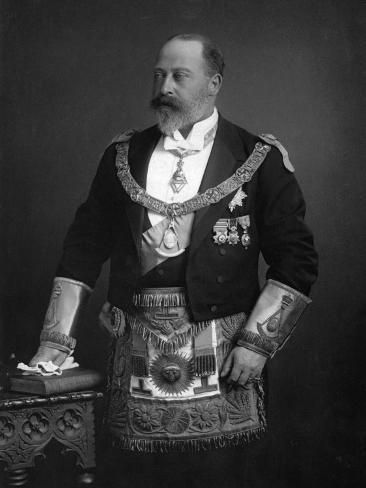
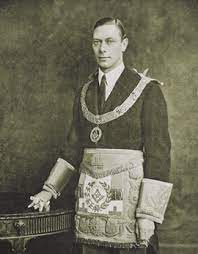
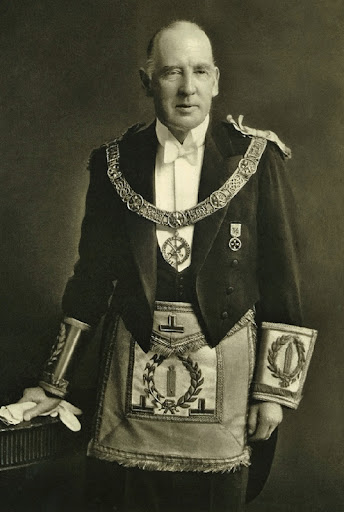
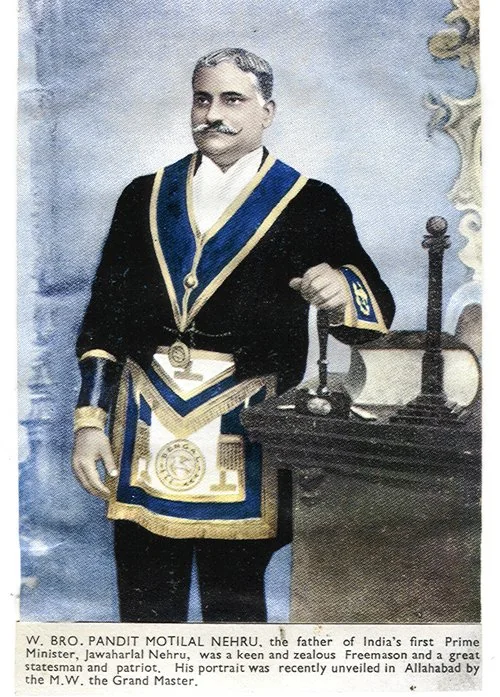
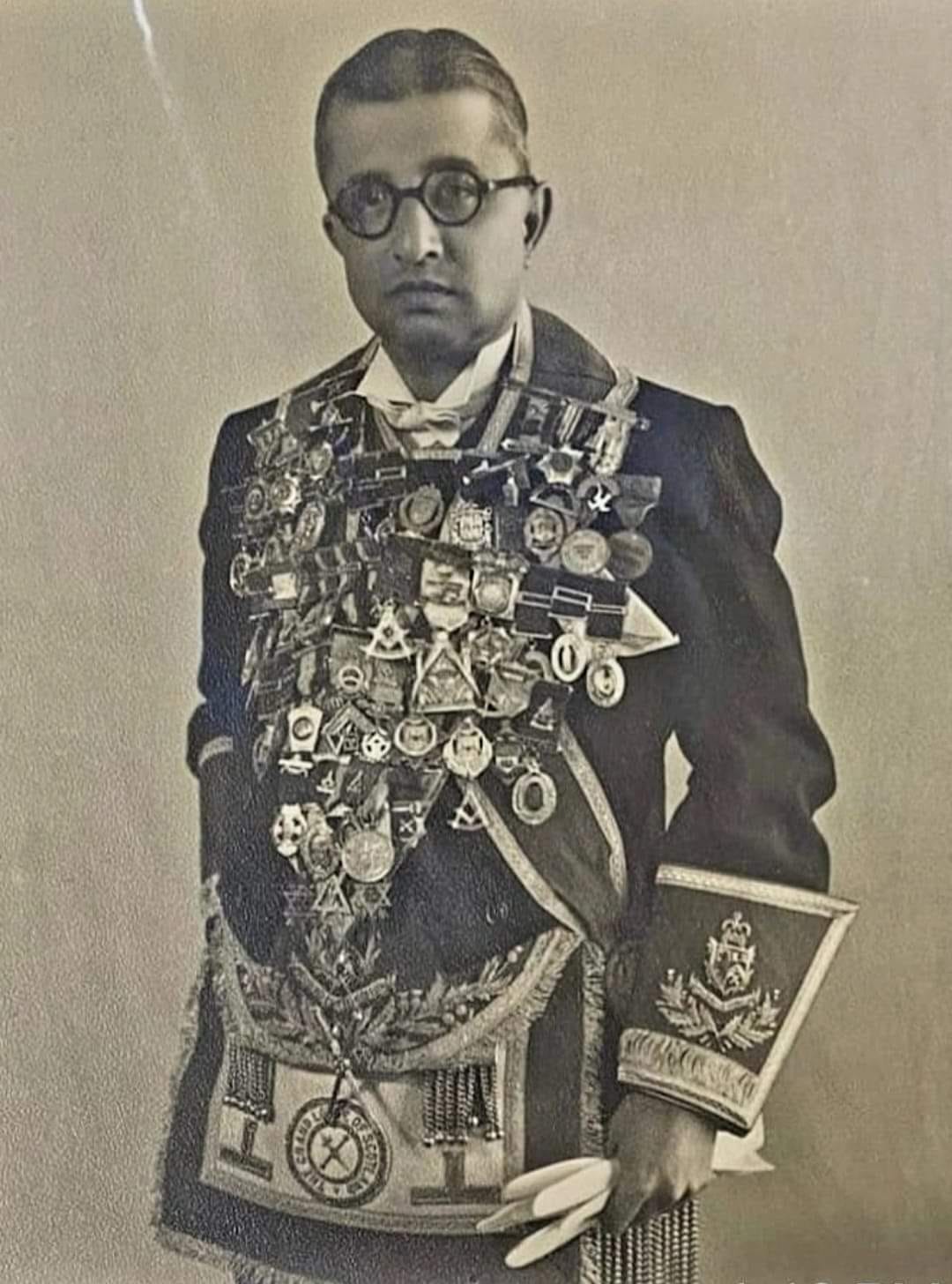
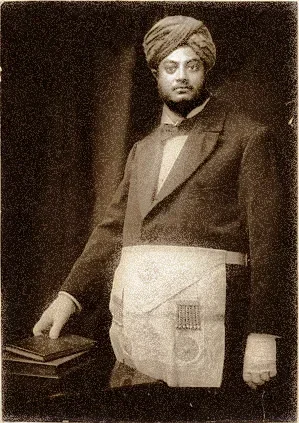
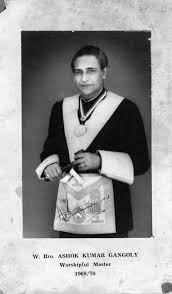
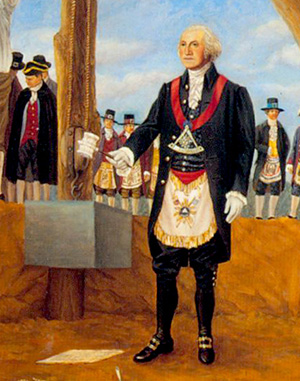
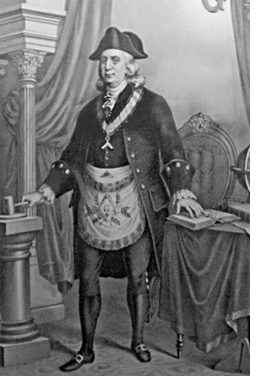
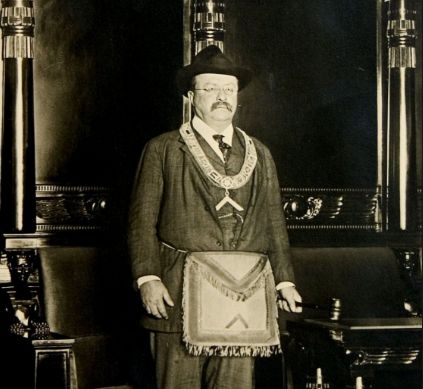
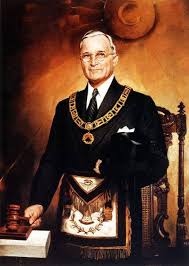
The aprons stem from our historical and symbolic roots as stonemasons. Being leather, they were designed to protect them from sharp tools and rough stones. For today's Freemasons, the apron is a mark of their membership. They are presented with a white leather apron and as they progress this becomes more elaborate.
Can women be members?
Only men aged over 18 are allowed to join the United Grand Lodge of England in England and Wales.
The two leading women's Grand Lodges, that we have the closest relationship with, are: Freemasonry for Women (HFAF) and the Order of Women Freemasons. These two groups only admit women because that is the choice of their memberships. Both of the women's organisations, and ourselves, prefer to practice our Freemasonry in single sex environments. The United Grand Lodge of England regularly hires its facilities out for meetings of the two women's Lodges due to our mutual respect and close relations.
What is different about the way Freemasons give to charity?
It is the sheer scale. We are one of the biggest charitable givers in the country and gave £51.1m to charities in 2020 alone.
The Masonic Charitable Foundation, the Freemasons' Charity – our national charitable grant giving arm, tackles some of the most significant challenges facing society, in particular, reducing loneliness in later life and ensuring a positive future for young children. We work in partnership with some of the biggest charities in the country to deliver our support.
Freemasonry also does a huge amount for medical research into treatments for cancer, diabetes, heart disease and a whole range of other conditions. In addition it makes donations to support those affected by overseas disasters as well as those at home, such as the Grenfell Tower disaster.
During the pandemic, Freemasons worked together to help their communities. The United Grand Lodge of England, and its members, did all they could to help in the fight against Covid-19. We have seen remarkable stories from across the country of how our members came together – from helping to raise vital funds for the NHS and delivering food to the community, through to purchasing ambulances and manufacturing vital personal protective equipment (PPE).
To support Freemasonry's charitable response to the pandemic, UGLE and the Masonic Charitable Foundation, the Freemasons' charity, established the Freemasons' COVID-19 Community Fund.
This Fund has helped to support a range of local and national charities and projects that are helping people through the current coronavirus pandemic and in total has donated £3m during the pandemic.
Is Freemasonry International?
Freemasonry exists throughout the world and the United Grand Lodge of England has Districts in many overseas countries. Our members are free to visit any of our Lodges abroad and will often find a warm welcome from fellow members who know the local country very well.
In addition to our Lodges, many other countries have sovereign Grand Lodges, which our members are free to visit and whose members visit us in England and Wales when travelling.
How many Freemasons are there in the UK?
The United Grand Lodge of England has 180,000 members. The Grand Lodge of Scotland has approx. 27,000 members and The Grand Lodge of Ireland has approx. 20,000 members, whilst the two female Grand Lodges in England comprise of around 5,000 members. Worldwide there are estimated to be around six million members.
How much does it cost to become a Freemason?
On average the annual dues and other fees amount to £200 a year, although there are local variations.
Do you have to believe in a God?
When becoming a Freemason, members are expected to be able to affirm a belief in a 'Supreme Being'. This is deliberately phrased so as to be fully inclusive and we celebrate the diverse nature of the beliefs of our members. There is no requirement to be an active practitioner of any particular religion.
Why is there a common misunderstanding of what Freemasonry is? What can we do to address it?
Common misconceptions arise from a combination of historical and cultural factors:
Historical Suspicion: Freemasonry has long been viewed with scepticism, particularly by authoritarian regimes and religious institutions. During the 18th and 19th centuries, conspiracy theories about Freemasons secretly wielding power or influencing political events became widespread, perpetuating suspicions.
Cultural Portrayals: Popular culture frequently depicts Freemasons as a shadowy organisation with hidden agendas. Books, films, comics, and television often exaggerate or invent their practices, further cementing this perception.
Misinterpretation of Privacy: Freemasonry places a strong emphasis on privacy rather than secrecy. Members argue that their traditions are private to preserve meaning within the organisation, not to deliberately exclude or conceal from the public.
Lack of Public Understanding: Despite efforts in recent years to promote transparency—such as opening lodges for public tours and highlighting their charitable work—Freemasonry remains poorly understood. Increased awareness and understanding of what Freemasonry actually is, is getting better, but will take time and patience and requires the dedication of members to speak in a clear and honest way about what their membership is and not perpetuation of cliché misconceptions. Masonic venues are often open for public tours, masons attending events and copies of the ceremony books available for purchase on well known online stores.
Together, the interplay of historical mistrust, cultural misrepresentation, and a lack of understanding perpetuates the enduring notion of Freemasonry as a secretive, male only, organisation–overtime these misunderstanding are being addressed.
.jpg)
,_signed_image_for_Walter_Nash_(NZ_Prime_Minister),_1958_(16017609534).jpg)
.jpg)