Founded in 1848 under a Warrant from the United Grand Lodge of England (UGLE), Lodge St. George No. 549 stands as one of the oldest, most distinguished, and historically influential Masonic lodges in India.
As the primus UGLE lodge in the District of Bombay, Lodge St. George predates the very formation of the District Grand Lodge itself. It was our lodge that petitioned UGLE for the creation of what became the Provincial Grand Lodge of Bombay—a profound testament to the leadership and foresight of our founders.
Today, Lodge St. George continues this legacy of excellence, fellowship, and service, upholding timeless Masonic values while embracing the needs of a modern fraternity in Mumbai.
Lodge St. George was constituted on 3 February 1848 with RW Bro. Collin Lawford Acland, a solicitor and Justice of the Peace, as its first Worshipful Master. Since then, the Lodge has built an unbroken tradition of leadership, charity, culture, and commitment to the Craft.
We are proud to be recognized as both:
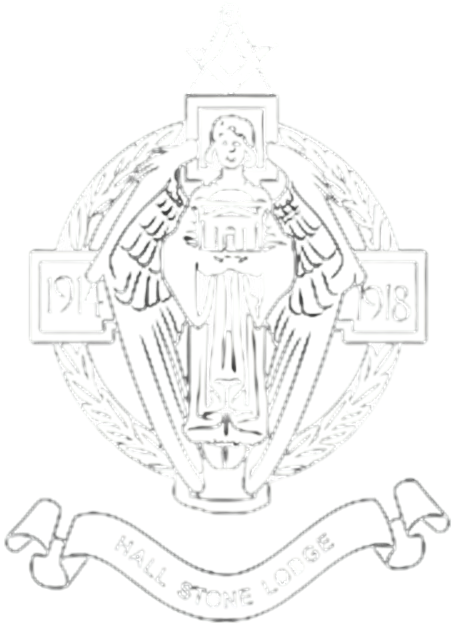
Awarded for contributions to the Masonic Million Memorial Fund
Recognized for over 100 years of continuous service
These honours place us among an elite circle of UGLE lodges globally.
Over the decades, Lodge St. George has produced some of the most distinguished leaders in Freemasonry—including District Grand Masters, Provincial Grand Masters, Governors, and even Grand Masters of UGLE.
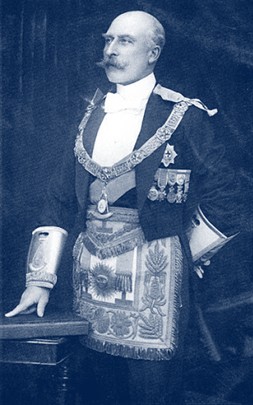
Governor-General of Canada
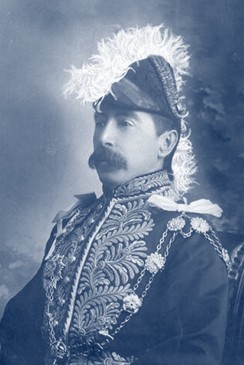
Governor-General of Australia
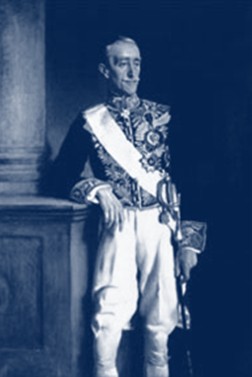
Governor-General of Canada & Viceroy of India
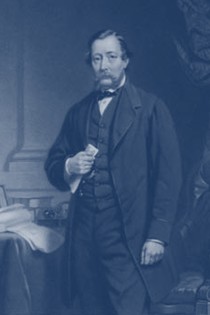
1867–1872
Governor of Bombay
(MP for Horsham, West Sussex: 1848, 1852-1865, 1874)
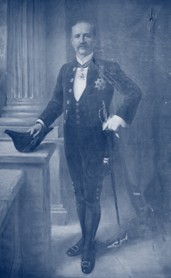
1895–1900
Governor of Bombay
(Lord Chamberlain from 1912 to 1921)
1900–03
Governor of Bombay
(MP for Exeter, Devon: 1885 to 1899)
1913–18
Governor of Bombay
(Governor of Madras from 1919 to 1924)
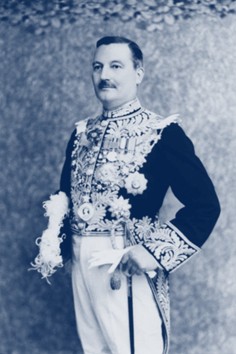
1923–26
Governor of Bombay
(Governor of Queensland from 1932 to 1946)
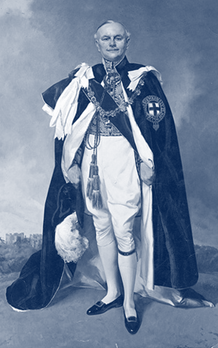
1937–43
Governor of Bombay
(MP for Kingston upon Hull East, Hull: 1922 to 1929; MP for York: 1931 to 1937)
Duke of Connaught and Strathearn
1901–1939
Grand Master of UGLE
11th Earl of Scarbrough
1951–1967
Grand Master of UGLE
Additionally, RW Bro. Michael Timothy Holland (who is also a subscribing member of St George) is the Provincial Grand Master of Herefordshire since 2019.
These historic contributions have earned Lodge St. George a unique place not only within Freemasonry but in the civic and political history of India and the Commonwealth.
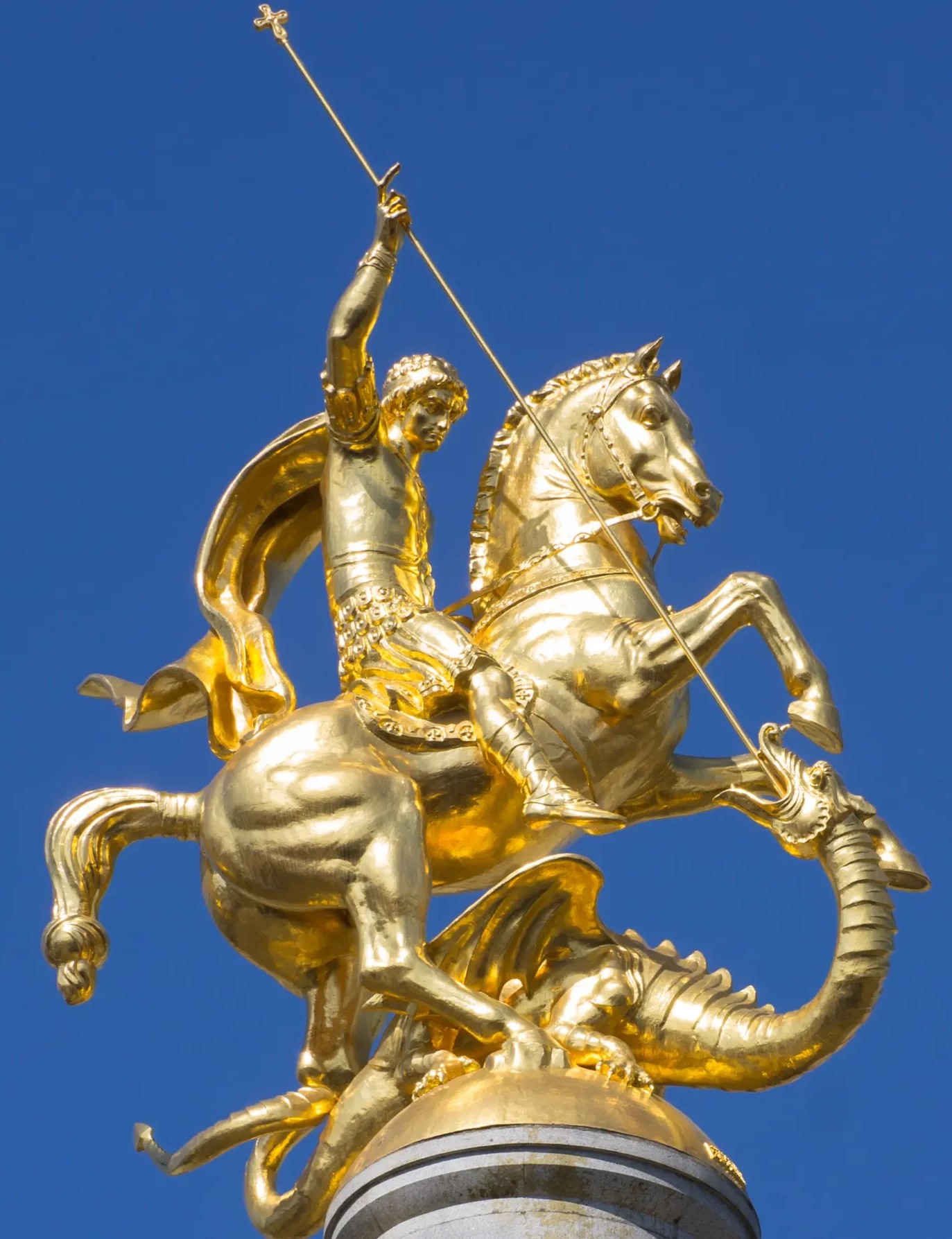
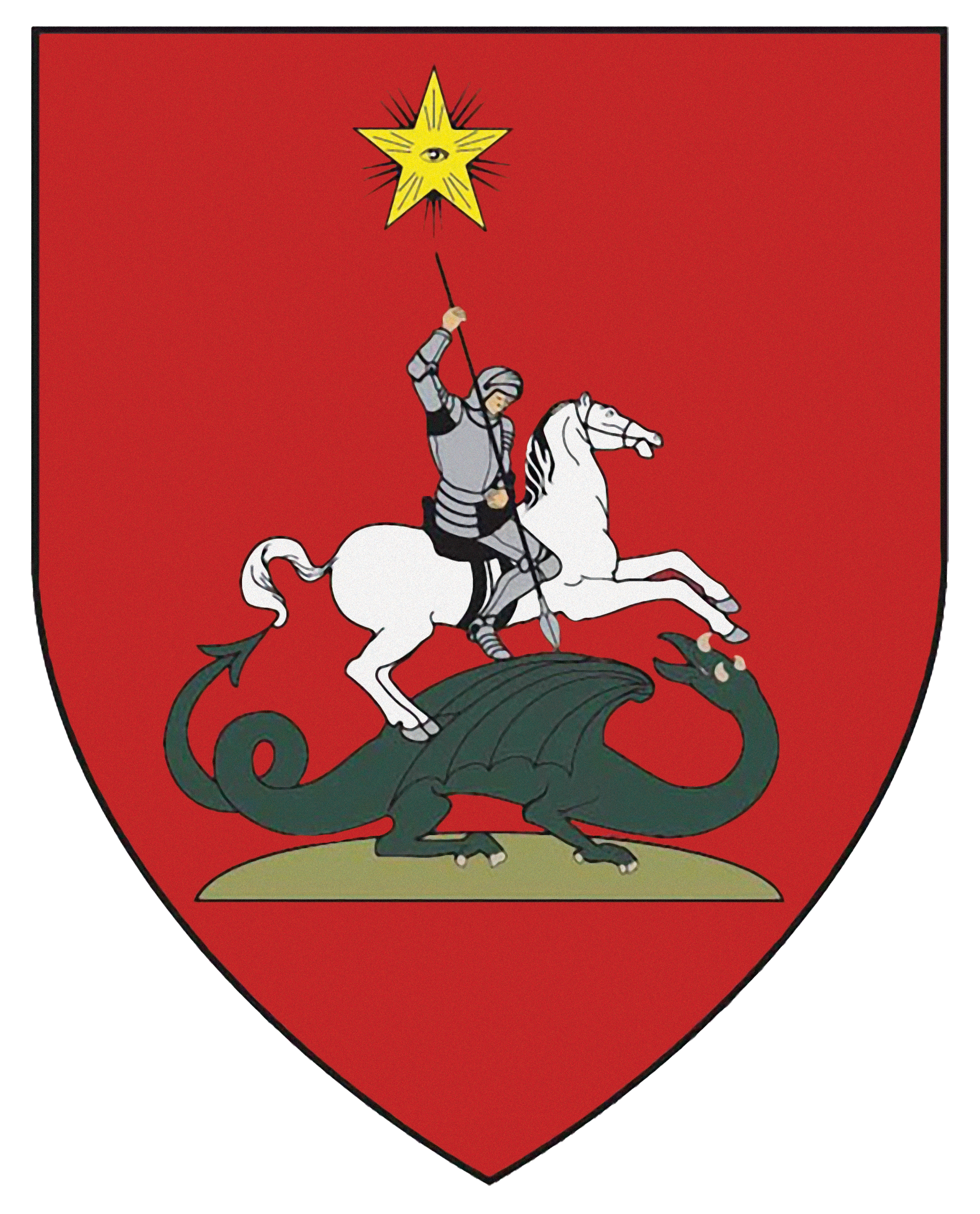
St George (born 3rd century, died 23 April 303 CE), a soldier of Palestinian and Greek origins and a member of the Praetorian Guard for the Roman emperor Diocletian, was sentenced to death for refusing to recant his Christian faith. He became one of the most popular saints and megalo-martyrs in Christianity, and was especially venerated by the Crusaders. He is also described as a prophetic figure in Islamic sources and is revered throughout West Asia.
A large number of patronages of St George exist across the world. Most notably, and almost certainly the reason why Lodge No. 549 was named in his honour, St George is the patron saint of England. In 1348 Edward III chose St George as the patron saint of his Order of the Garter, and also took to using a red-on-white cross in the hoist of his Royal Standard. By the 19th century, St George was declared both the patron saint as well as the protector of the British royal family. To this day, his cross forms the national flag of England. St George is also the patron saint of Georgia, Germany, Greece, Lithuania, Palestine, Portugal, Aragon, Catalonia, as well as the Mediterranean islands of Malta and Gozo.
The legend of St George and the Dragon, which describes the saint taming a dragon that demanded human sacrifices, is well known: to keep the horrible monster at bay, citizens would draw lots to decide whom amongst them would be sacrificed. One year, it came to pass that the daughter of the king was chosen as the next offering. The saint, who happened to be riding through the town, rescued the princess by slaying the dragon.
This narrative was initially set in Cappadocia, Turkey in the earliest sources of the 11th and 12th centuries, but in the 13th century collection of hagiographies titled Legenda Aurea (Golden Legend), the setting was transferred to the Libyan town of Selem.
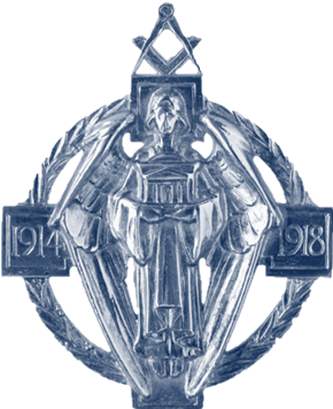
Following the end of the First World War, UGLE established the Masonic Million Memorial Fund to honour brethren who sacrificed their lives. Lodges that contributed an average of 10 guineas per member were awarded the coveted Hall Stone Jewel.
Lodge St. George proudly earned this distinction.
Our Hall Stone Medal is ceremonially passed at every Installation Meeting, symbolizing our eternal commitment to duty, fraternity, and remembrance.
Lodge St. George's leadership lineage dates from 1848 to today, with Masters who have guided the Lodge through:
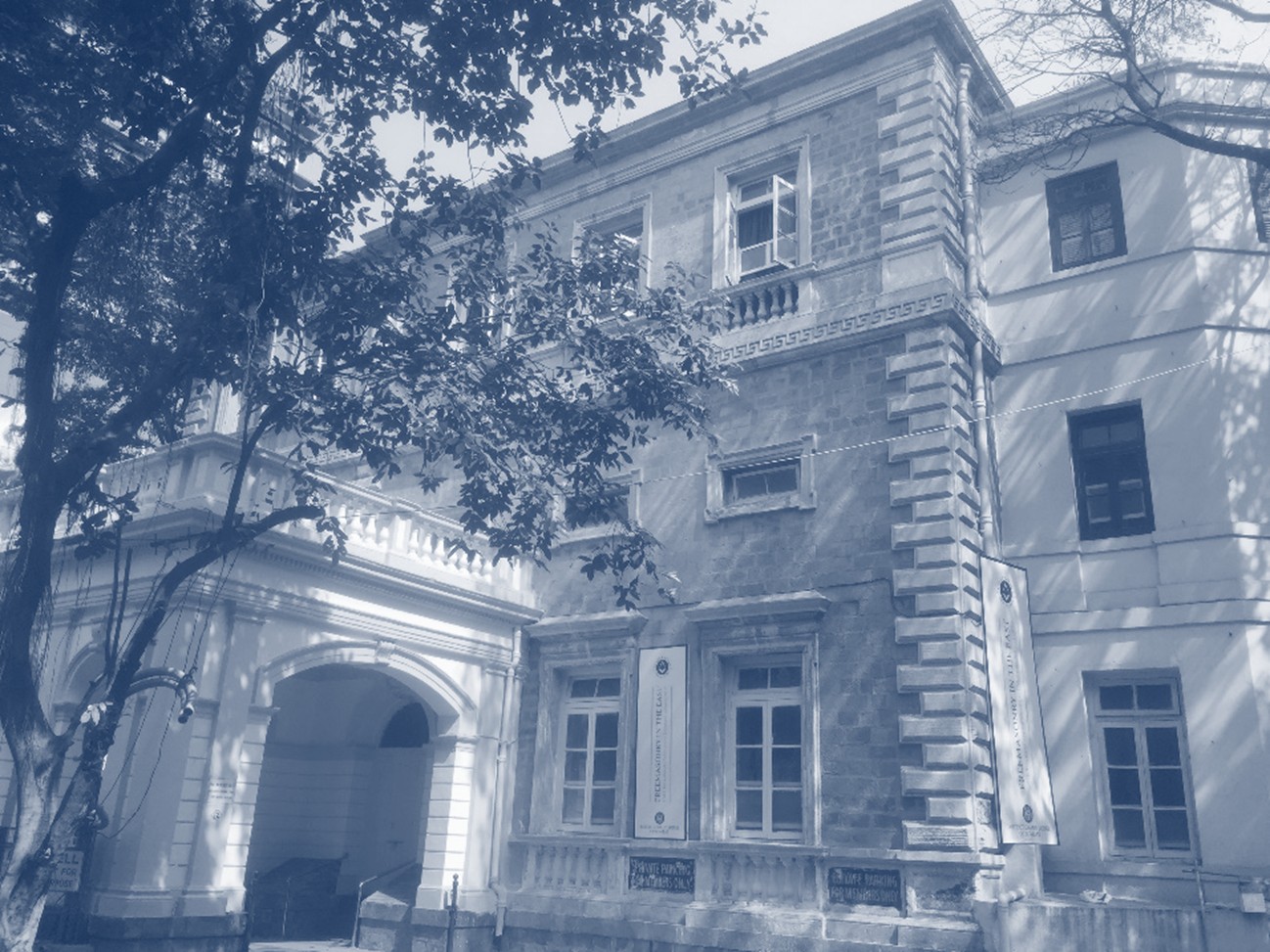
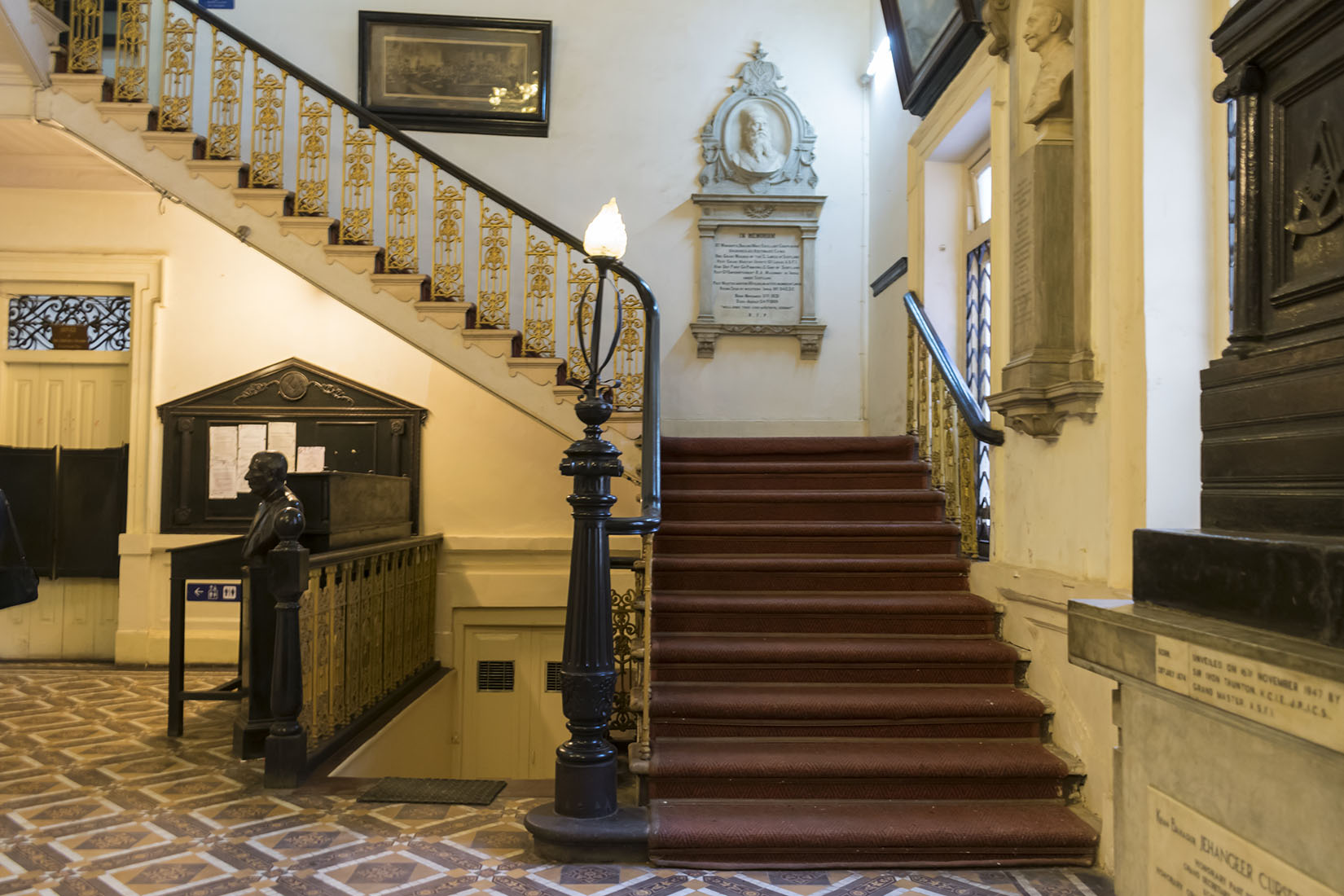
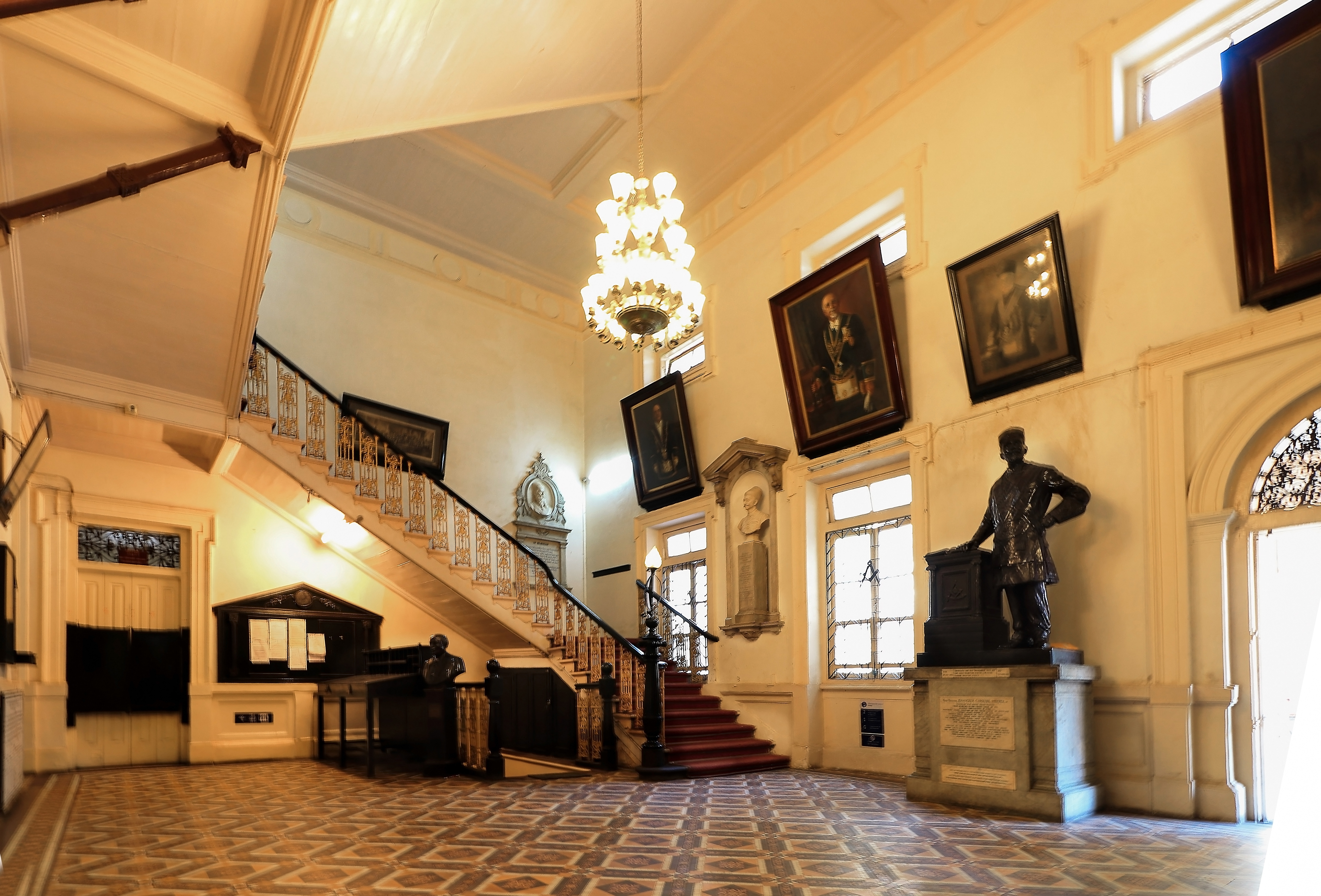
Our meetings take place in the historic Freemasons' Hall, Mumbai, one of the oldest and grandest Masonic buildings in India. With its Edwardian architecture and rich aura, the Hall stands as a living symbol of the fraternity's heritage in the country.
While rooted in history, Lodge St. George remains a vibrant, forward-thinking Lodge committed to:
Building lasting bonds of friendship and mutual support
Supporting charitable causes and community service
Personal growth through Masonic teachings
Honoring centuries-old Masonic rituals and values
Guiding new members in their Masonic journey
Promoting Freemasonry's growth and influence
With members drawn from diverse walks of life—professionals, leaders, entrepreneurs, thinkers—we continue to uphold the principles that have guided us for nearly two centuries.
In Thy light we shall see light.
This ancient verse reflects the eternal Masonic pursuit of enlightenment—through knowledge, fraternity, and service.